

As I was delving into the Lafarge lawsuit that came out on Monday, this memory popped into my head.
I was flying from Tripoli to Benghazi, in Libya. This was a few weeks after Qaddafi was killed, ✈️
At the airport, security carefully scanned my laptop and went through my bag piece by piece to check I wasn’t carrying anything dangerous. It was taking ages.
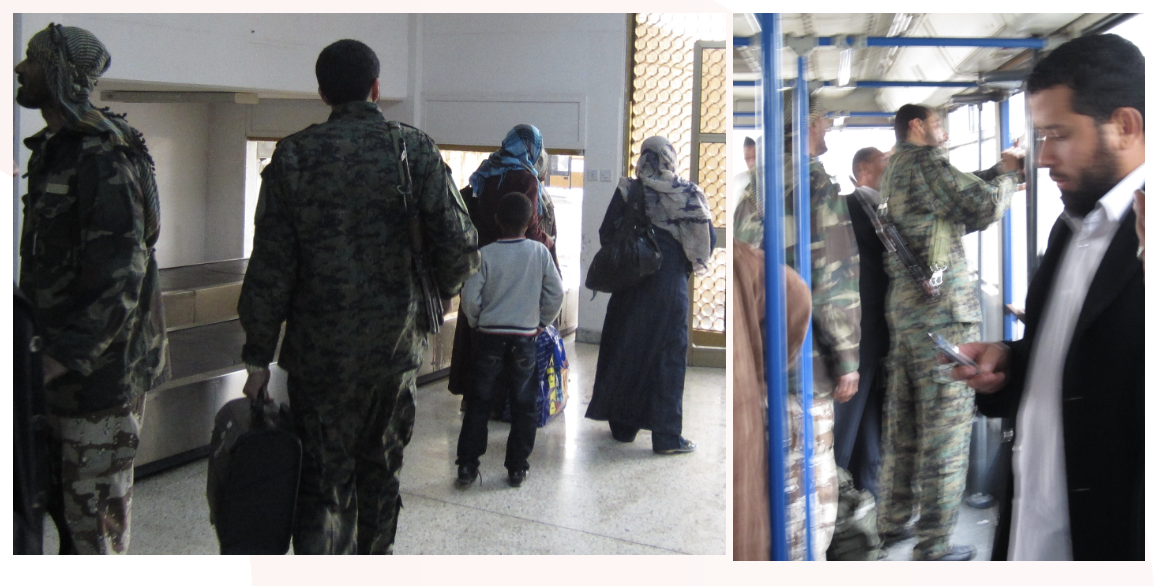
Just then, a group of militia walked straight past me.
Their hand luggage = guns slung over their shoulders.
I thought: Ha! The rules here are definitely not the same as elsewhere!
I spent the flight sitting across the aisle from one militia member balancing his gun in between his legs.
👇 This was my attempt at taking pics capturing that moment in the airport shuttle and luggage collection hall 😁
To bring it back to the Lafarge case, it’s not because it looks like rules don’t apply, or don’t apply consistently, in a conflict or post-conflict setting that they are not there.
They are, and the scrutiny often comes later.
The Lafarge case is a fascinating one, with many takeaways for companies.
See here for more info on the case and the takeaways.
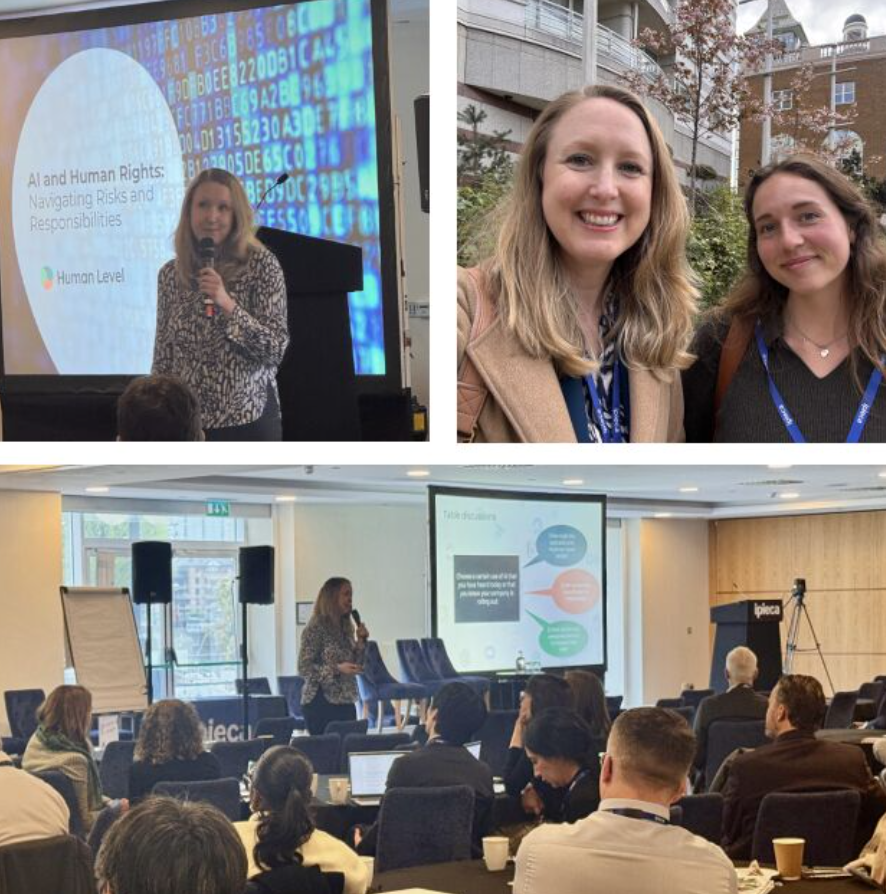
And see here for more on our recent ‘AI and human rights: risks and responsibilities session’ that I ran with Jannicke at Ipieca week yesterday.
🌡 For those practitioners signed up to the Just Transitions Collective next week for our ‘Too hot to work – Rising temperatures, rising risks’ session, see you there!
If you’re a practitioner working in a company, and you’re not signed up yet, let us know.
Anna ✨


